

9 Beginner Mistakes With Methylene Blue (and How to Avoid Them)
Educational information only, not medical advice. Methylene blue is not intended to diagnose, treat, cure, or prevent any disease. See our health & legal disclaimer.
Most methylene blue mistakes happen in the first week. A drop too many. The wrong grade off a marketplace. A blue tongue right before a meeting. None of them are dangerous when you know what to watch for — and all of them are avoidable. Here are the nine that trip up beginners most, and the fix for each.
1. Starting with too high a dose
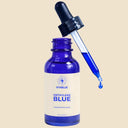
The most common mistake by far. More is not better here. Most users settle around 1–5 mg per day, and many feel plenty at the low end. With VitaBlue, each drop or spray delivers roughly 250 mcg, so a handful of drops is a real dose — not a rounding error. Start low, sit with it for several days, then adjust. Our titration guide walks through going low and slow.
2. Skipping the interaction check
Do this before your first drop. Methylene blue must not be combined with SSRIs, SNRIs, MAOIs, or other serotonergic drugs — the combination carries a serious risk. It is also not for anyone who is pregnant, breastfeeding, or has G6PD deficiency. If any of these apply to you, stop and talk to a qualified clinician first. No exceptions, no experiments.
3. Buying the wrong grade
The blue dye in a chemistry kit is not the same as a supplement. Reagent and technical grades can carry heavy-metal and contaminant loads that were never meant for a human body. Look for USP pharmaceutical grade with a batch certificate of analysis. VitaBlue is USP grade, made and third-party lab-tested in Europe, with no fillers. If a seller can't show you a COA, walk away. Here's how to read one.
4. Expecting a lightning bolt
Methylene blue is not a stimulant. What people report tends to be subtle — steadier focus, fewer afternoon dips — and it often shows up over days, not minutes. Early research explores its role in mitochondrial energy production, but that is a slow, cellular story, not a jolt. Judge it over a couple of weeks, not a single dose.
5. Staining your teeth, tongue, and countertop
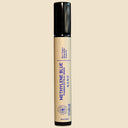
It's a dye. It will stain what it touches. Drop it into water rather than straight onto your tongue, use a glass (not your favorite mug), and rinse the glass right away. A stained tongue fades within hours. For counters and hands, a quick wipe before it dries saves the scrubbing. The nano spray is far less messy on the go for exactly this reason.
6. Storing it badly
Light and heat degrade methylene blue over time. Keep the bottle capped, out of direct sun, and away from hot spots like a car dashboard or a windowsill. A cool, dark cupboard is plenty. Our storage guide covers shelf life and stain control in more detail.
7. Dosing late in the day
Some users find methylene blue energizing, so a late-afternoon or evening dose can nudge sleep for the sensitive. If you're new, take it in the morning. Learn how your body responds before you experiment with timing.
8. Changing five things at once
New supplement, new sleep schedule, new coffee routine — all in the same week. When something feels off, you'll have no idea which lever caused it. Add methylene blue on its own, keep the rest of your routine steady, and give it a clean two-week window before stacking anything new.
9. Ignoring how you actually feel
The goal isn't to hit some number on the internet. It's to find the smallest amount that feels good for you. If a dose brings on a headache or nausea, that's a signal to ease back, not push through. Keep a simple note of dose and effect for the first month — it's the fastest way to find your own sweet spot. If anything feels wrong, pause and check the safety overview.
The short version
Start low. Verify your meds are compatible. Buy USP grade with a COA. Take it in the morning, in water, and give it two clean weeks. Do that and you skip nearly every beginner headache.
Ready to start the right way? The VitaBlue drops are USP grade and lab-tested in Europe, and the nano spray keeps dosing tidy when you're out. Begin low, and let the routine do the work.