

Is Methylene Blue Safe? Side Effects, Interactions & What to Know Before You Start
Methylene blue is not a new compound. It's been used in medicine since the late 1800s — as an antimalarial, an antidote for methemoglobinemia, a surgical dye, and more recently as a nootropic and mitochondrial support compound.
That long history is one of the reasons its safety profile is relatively well understood. But "well understood" doesn't mean "zero risk." Here's what you actually need to know.
If you're new to MB entirely, start with our overview of what methylene blue is before reading this.
The Short Answer on Safety
At low doses — typically 1mg to 15mg per day — pharmaceutical-grade methylene blue is considered safe for most healthy adults based on the existing research. This is the dose range used in most cognitive and mitochondrial enhancement contexts.
At very high doses (above 2mg/kg bodyweight), risks increase significantly. This is a different category of use entirely.
The distinction between low-dose supplementation and high-dose clinical use matters. Most safety concerns in the literature relate to high-dose or IV-administered MB, not the oral supplementation doses that biohackers and wellness users are taking.
Known Side Effects
The most commonly reported effects at supplemental doses are mild and expected:
Blue mouth and urine
Methylene blue is a dye. Temporary discolouration of saliva, urine, and sometimes stool is normal and harmless. It clears within hours. If you want to avoid it, mix MB in fresh orange juice — see our dosing guide for tips on administration.
Stimulation
MB can be mildly stimulating, particularly at higher doses. This is why we recommend taking it in the morning or early afternoon, not before bed. Some people find this a benefit; others find it uncomfortable if taken too late in the day.
Mild nausea
Rare at low doses, more common when taken on an empty stomach. Taking MB with food or in a drink resolves this for most people.
Headache
Occasionally reported, usually at higher doses or in people new to MB. Starting at 1mg and working up gradually avoids this.
Serious Risks: Serotonin Syndrome
This is the most important safety consideration for methylene blue.
MB inhibits monoamine oxidase (MAO), which means it affects serotonin metabolism. If taken alongside serotonergic drugs — SSRIs, SNRIs, MAOIs, tramadol, linezolid, or others — there is a real risk of serotonin syndrome, a potentially serious condition.
This is not theoretical. There are documented cases of serotonin syndrome in surgical patients who received IV methylene blue while on SSRIs or SNRIs.
If you are taking any serotonergic medication, do not take methylene blue without speaking to your doctor first. This is a hard line.
Other Drug Interactions
Beyond serotonergic drugs, be aware of:
G6PD deficiency
People with glucose-6-phosphate dehydrogenase deficiency should not take MB. It can cause haemolytic anaemia in this population. This is a genetic condition — if you don't know your G6PD status and you're in a higher-risk group (certain African, Mediterranean, or South/Southeast Asian ancestries), it's worth checking before supplementing.
Chloroquine and antimalarials
Some interactions have been noted historically. Relevant if you're travelling and taking antimalarial prophylaxis.
Oxidising agents
MB is a redox-active compound and can interact with other redox-active substances. Generally not a concern at supplemental doses, but worth noting.
Who Should Avoid Methylene Blue
- Anyone on SSRIs, SNRIs, MAOIs, or other serotonergic medications
- Anyone with known G6PD deficiency
- Pregnant or breastfeeding women (insufficient safety data)
- Children (insufficient data at supplemental doses)
- Anyone with kidney disease (MB is primarily renally excreted)
Purity Matters More Than You Think
One of the most underappreciated safety considerations with methylene blue is product quality. Industrial-grade or low-purity MB can contain heavy metal contamination and other impurities that are genuinely dangerous.
USP-grade or pharmaceutical-grade methylene blue is the only grade appropriate for human consumption. This is not a marketing distinction — it's a safety one.
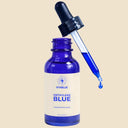
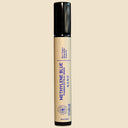
VitaBlue is EU-manufactured to USP pharmaceutical grade. For a broader look at what the research says about MB quality and sourcing, see our research master list.
Dosing for Safety
The safest approach is always to start low. Most people begin at 1mg and increase gradually over days or weeks based on how they feel. The sweet spot for cognitive and mitochondrial benefits in most research sits between 1mg and 10mg daily.
Going above 15mg daily without a specific reason or medical guidance isn't recommended for general supplementation.
Our full dosing guide covers starting doses, timing, cycling, and administration in detail.
The Bottom Line
Pharmaceutical-grade methylene blue at low doses has a strong safety record for healthy adults with no contraindications. The risks are real but manageable — the main ones (serotonin syndrome, G6PD deficiency) are specific and avoidable with basic screening.
If you're curious about the cognitive upside that makes people willing to take a blue tongue for it, see our brain health post or the nootropic breakdown.
As always — this is educational information, not medical advice. If you have any doubt about whether MB is appropriate for you, speak to a healthcare professional.
Disclaimer: This post is for educational purposes only and does not constitute medical advice. Always consult a qualified healthcare professional before starting any new supplement, particularly if you are managing a health condition or taking any medication.