

USP vs Reagent vs Technical Grade Methylene Blue: What the Labels Mean
Educational information only, not medical advice. See our health & legal disclaimer.
Same chemical name, very different bottle
“Methylene blue” on a label tells you almost nothing on its own. The grade tells you everything — how pure it is, what impurities are allowed, and whether it was ever intended to go near a human. Here's the hierarchy, cleanest first.
USP / pharmaceutical grade
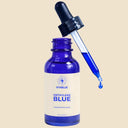
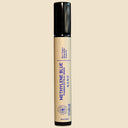
The top standard. USP (United States Pharmacopeia) grade means the material meets published purity and impurity specifications suitable for pharmaceutical use — typically ~99%+ assay with strict, tested limits on heavy metals like arsenic, lead, and cadmium. This is the only grade that belongs in a supplement context. Every VitaBlue batch is USP grade and third-party lab tested.
Reagent / ACS grade
High purity, but purpose-built for laboratory chemistry — titrations, staining, experiments. It can be very pure, yet it isn't held to pharmaceutical impurity and documentation standards, and it isn't produced under the same controls. Pure enough for a lab bench is not the same as verified safe for ingestion.
Technical / industrial grade
The bottom tier, and the dangerous one. Technical grade is made for dyeing textiles, treating aquariums, and industrial use. It can carry meaningful contamination — heavy metals, solvents, unknown by-products — because nobody making it expected it to be swallowed. Alarmingly, this is often what's sold cheaply online with vague “not for human consumption” fine print.
How to tell what you're actually buying
The label claim is only a claim. What proves it is a batch-specific Certificate of Analysis from an independent lab. If a seller can't show one, assume the worst. We break down exactly what to look for in How to Read a Certificate of Analysis.
Price is the other tell. Pharmaceutical-grade material tested every batch costs more to produce than industrial dye. A price that seems too good usually is.
The bottom line
Only USP / pharmaceutical grade belongs in a bottle you'll dose from. That's the standard VitaBlue holds on Drops and Nano — made in Europe, tested every batch, certificate on the page.