

Methylene Blue Skin and Teeth Stains: Prevention and Cleanup
Educational information only, not medical advice. Methylene blue is not intended to diagnose, treat, cure, or prevent any disease. See our health & legal disclaimer.
One drop lands on your finger. Ten minutes later it's a bruise-blue smudge that soap won't touch. Methylene blue is a dye first and a supplement second — it stains skin, teeth, sinks, and countertops on contact. The good news: the mess is predictable, and it's beatable. A little technique keeps you clean.
Why it stains
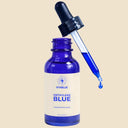
Methylene blue is a deeply pigmented compound. It bonds to proteins and porous surfaces on contact, which is exactly why it's used as a biological stain in labs. On skin, it clings to the outer keratin layer. On teeth, it settles into enamel and any plaque. The color is intense even at tiny amounts — and VitaBlue is concentrated, roughly 250 mcg per drop, so a single stray drop carries plenty of pigment. Most users settle around 1–5 mg per day, which is only a handful of drops. Small volume, big color.
Preventing skin stains
Prevention beats cleanup every time. A few habits handle almost all of it:
- Dose over a sink or hard surface, never over a carpet or your lap. Blue on tile wipes off. Blue on fabric often doesn't.
- Dispense directly into water or under the tongue, not onto your hand first. The less skin contact, the less staining.
- Wipe the dropper tip before you cap the bottle. A loaded tip is the usual culprit for blue fingers the next morning.
- Keep a damp cloth within reach while dosing. Fresh methylene blue lifts far more easily than dried.
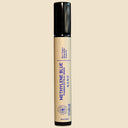
- Prefer to skip the dropper entirely? The VitaBlue Nano Spray delivers a measured mist with no drop to fumble — a cleaner option for shaky hands or on the move.
Cleaning skin stains
If blue lands on skin, act fast — dried stain is stubborn, fresh stain is easy.
- Immediately: wash with soap and warm water. Most of a fresh drop comes off here.
- If color lingers: a paste of baking soda and water, rubbed gently, lifts more. So does a dab of hand sanitizer or rubbing alcohol on a cotton pad.
- For deeper stains: a vitamin C (ascorbic acid) tablet dissolved in a little water chemically reduces methylene blue toward its colorless form. Dab it on, wait a minute, rinse.
- Still there? Wait. Skin stains are harmless and fade on their own within a day or two as the outer layer sheds. Don't scrub raw skin trying to force it.
Preventing and cleaning teeth stains
Teeth are the other common casualty, since many people take methylene blue under the tongue.
- Dilute in a glass of water and drink through the middle of your mouth, avoiding a swish that coats your front teeth.
- Use a straw to bypass the teeth entirely when you dilute in water.
- Rinse right after dosing with plain water, then brush a few minutes later.
- If teeth pick up a bluish tint: normal brushing usually clears it within a day. A whitening toothpaste or a rinse speeds it along. The staining is cosmetic and temporary, not damage to enamel.
Surfaces, clothes, and countertops
For hard surfaces, wipe spills immediately with a damp cloth, then follow with a bit of diluted bleach or a baking-soda paste on anything left behind. Fabric is the hard case — treat it at once with cold water and a stain remover, and know that set-in stains on clothing may not fully come out. That's the strongest argument for dosing over the sink. For more on keeping your bottle tidy and stain-free between uses, see our guide on how to store methylene blue.
A quick safety note
Staining is a nuisance, but a couple of things matter more. Methylene blue must not be combined with SSRIs, SNRIs, MAOIs, or other serotonergic drugs, and it is not for use during pregnancy or breastfeeding, or by anyone with G6PD deficiency. If any of that applies to you, talk to a qualified healthcare provider before starting. Quality matters too: VitaBlue is USP pharmaceutical grade, made and third-party lab-tested in Europe, with no fillers — so the only thing you're getting is clean methylene blue, not mystery additives that can complicate both staining and safety.
The bottom line
Blue stains are the price of a genuinely potent dye — and they're almost entirely preventable. Dose over a sink, keep contact brief, wipe the tip, and clean any slip while it's fresh. New to this? Our roundup of beginner mistakes with methylene blue covers the other easy-to-avoid pitfalls.
Ready to start clean? Explore VitaBlue Methylene Blue Drops or the mess-free Nano Spray — USP grade, European-made, and lab-tested for purity.