

Methylene Blue and Exercise: Does It Improve Athletic Performance?
The biohacking conversation around methylene blue tends to focus on the brain. Cognitive enhancement, neuroprotection, Alzheimer's risk — important, but only part of the picture.
Your muscles are mitochondria-dense tissue. They run on ATP. And anything that improves mitochondrial efficiency has a direct line to physical performance. That's where MB gets interesting for athletes and anyone who trains seriously.
If you're new to methylene blue, start with our overview before diving in here.
How Mitochondria Drive Physical Performance
During exercise — particularly sustained aerobic effort — your body depends on oxidative phosphorylation to produce ATP at the rate your muscles demand it. When this system is efficient, you sustain output longer, recover faster, and produce less metabolic waste.
When it's inefficient, electron "slippage" in the transport chain produces excess reactive oxygen species (ROS). This is oxidative stress — a contributor to muscle fatigue, delayed recovery, and over time, cellular damage.
This is the exact pathway methylene blue intervenes in.
What Methylene Blue Does in the Context of Exercise
MB acts as an alternative electron carrier in the mitochondrial electron transport chain. It accepts electrons at Complex I and II and donates them to Complex IV, keeping the chain moving even under metabolic stress. The result:
- More efficient ATP synthesis for the same oxygen input
- Reduced electron slippage and therefore less ROS production
- Better oxygen utilisation in muscle tissue during sustained effort
Additionally, MB has been shown to improve the NAD+/NADH ratio — important because NAD+ is recycled during glycolysis and oxidative phosphorylation, and a better ratio means more efficient energy cycling during prolonged exercise.
For a broader look at how this same mechanism plays out in the context of fasting and metabolic health, see our fasting and methylene blue post.
Endurance: The Clearest Application
The most compelling athletic use case for MB is endurance performance. Sustained aerobic output is almost entirely mitochondria-dependent. The more efficiently your mitochondria produce ATP from oxygen, the longer and harder you can sustain effort before hitting the wall.
MB's role as an alternative electron carrier means it can maintain electron flow and ATP output even as metabolic demand increases and oxygen becomes relatively scarcer in working muscle — similar to what happens at altitude.
For more on how MB handles low-oxygen environments specifically, see our jet lag post, which covers MB's hypoxia benefits in detail.
Recovery: Reducing Oxidative Damage
Post-exercise oxidative stress is a primary driver of muscle soreness and recovery time. ROS produced during intense training trigger inflammation, damage muscle fibres, and require antioxidant systems to neutralise them before repair can begin.
Methylene blue is a potent mitochondrial antioxidant. Unlike bulk antioxidants (vitamin C, vitamin E) which can blunt exercise adaptation if taken in excess, MB works selectively within mitochondria — neutralising damaging ROS at the source without systematically blunting the hormetic stress signal from training.
This is an important distinction: you want some ROS from training (they signal adaptation), but not the excess that impairs recovery. MB's targeted action within mitochondria may hit the right balance.
This same antioxidant mechanism makes MB useful for skin health and wound recovery too — see our wound healing post for more on that.
Brain-Body Performance
Physical performance isn't purely muscular. Pacing decisions, pain tolerance, motivation to push, and motor coordination all come from the brain — and the brain is the most energy-hungry organ in the body.
MB's well-documented cognitive benefits — enhanced mitochondrial function in neurons, reduced brain fog, improved focus — directly translate to athletic contexts. Better decision-making under fatigue, more accurate pacing, sustained motivation in the final stretch of a race or session.
For the full breakdown of MB's brain benefits, see Your Brain's Best Friend.
How to Use MB Around Training
Timing matters. MB is mildly stimulating, so taking it in the morning or pre-workout works well for most people. Avoid taking it within 4–5 hours of sleep.
A reasonable approach for training days:
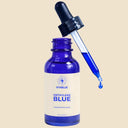
- Take 5–10mg of VitaBlue 30–60 minutes before training
- Combine with a small amount of food or a drink (orange juice works well and eliminates discolouration)
- On rest days, take your standard dose in the morning as usual
MB stacks well with red light therapy for mitochondrial support — see our red light and MB post for how to combine them.
For full dosing guidance including cycling recommendations, see our dosing guide.
The Honest Caveat
Direct human trials specifically measuring MB's effect on athletic performance metrics — VO2 max, time to exhaustion, power output — are limited. Most of the evidence is mechanistic (we understand how it works) and extrapolated from mitochondrial research, altitude studies, and cognitive performance trials.
That said, the mechanism is sound, the safety profile is well established, and plenty of people in the biohacking and endurance community are using it with reported benefit. If you're interested in the full research picture, our research master list has the most relevant studies.
Disclaimer: This post is for educational purposes only and does not constitute medical advice. Always consult a qualified healthcare professional before starting any new supplement.