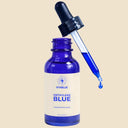

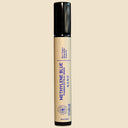

Methylene Blue Drops vs Nano Spray — Which One Should You Choose?
If you've landed here, you're probably weighing VitaBlue Drops (the glass dropper) against VitaBlue Nano (the travel spray). Short answer: they're the same methylene blue — just two delivery formats. Long answer is below.
The 10-second decision
- Buying for daily home use? → Drops. More mg per euro, precise dose-by-dose control, sits on a kitchen counter.
- Travelling, going to the gym, or on the move? → Nano. Pocket-sized, no glass, no spills.
- Doing both? → Many regulars keep one of each. They're not redundant — they cover different moments.
If you read no further, that's the answer.
What's actually different
Both products contain USP-grade methylene blue, sourced and manufactured in Europe, third-party lab tested every batch. Same compound, same purity, same brand. What changes is the format.
Drops vs Nano at a glance
| Drops | Nano | |
|---|---|---|
| Format | 30 ml glass dropper | 15 ml travel spray |
| Methylene blue per bottle | 150 mg | 75 mg |
| Dose per unit | ~0.25 mg per drop | ~0.333 mg per spray |
| Best for | Daily home use | Travel, gym, on-the-go |
| Lasts (at 2 mg/day) | ~10 weeks | ~5 weeks |
| Price (without offers) | €32.95 | €24.95 |
| Price per mg | €0.22 | €0.33 |
Three things worth flagging:
The mg per bottle. Drops has twice as much methylene blue (150 mg vs 75 mg). That's why it lasts twice as long and costs ~30% less per milligram.
The dose per unit. Each Nano spray delivers slightly more than each Drops drop (333 mcg vs 250 mcg). By design — pump sprays don't do "half a spray," so each click gives a slightly heftier dose.
The format. Drops is glass — beautiful, but breakable. Nano is pump-action plastic — utilitarian, but travels.
The cost angle
If price-per-mg is your priority, Drops wins clearly: €0.22/mg vs €0.33/mg.
Over a year at a typical 2 mg/day routine:
- All Drops: ~5 bottles × €32.95 = ~€165
- All Nano: ~10 bottles × €24.95 = ~€250
That's about €85/year saved by buying Drops. But that math assumes Drops is always practical — which means being home, having water or a clean spoon, and not minding the glass dropper. The moment you travel monthly, that breaks down.
Real-world use cases
The home user. Kitchen, morning routine, glass of water always nearby. → Drops. Dial in your micro-dose, refill every ~2.5 months.
The commuter. Office three days a week, wants a mid-morning dose without explaining a dropper bottle to coworkers. → Nano. Two pumps under the tongue, done.
The traveller. Flights every six weeks. A glass bottle in a toiletry bag is asking to break. → Nano. Clears 100 ml carry-on limits, sealed pump, no spill risk.
The gym-goer. Pre-workout dose in the locker room, next to a protein shake. → Nano. Spray, swallow, lift.
The "I want both" user. Drops on the bathroom counter, Nano in the gym bag. Most repeat buyers settle into this pattern after their second bottle.
Can I use both at the same time?
Yes. Both are the same methylene blue at the same purity. The only thing to track is total daily mg, not the format. 1 mg from morning Drops + 1 mg from afternoon Nano = 2 mg total, not 2 mg + 2 mg.
For a full breakdown of typical dosing and timing, see our research overview.
Who should buy what — side-by-side
Buy VitaBlue Drops if:
- You're primarily home-based
- You want the lowest cost per mg
- You like precise micro-dosing (one drop at a time)
- You don't mind the glass dropper
Buy VitaBlue Nano if:
- You travel, commute, or live an on-the-go routine
- You want no measuring, no spillage
- You're starting out and want simpler dosing (count sprays, not drops)
- You've broken a glass dropper once before
Buy both if you can't decide. They cover different moments and many of our repeat customers end up with both. Check our Shop page for current bundle pricing.
What both products share
Format aside, both bottles deliver the same product:
- USP pharmaceutical grade methylene blue — the highest purity standard
- Sourced and manufactured in Europe — supply chain transparency
- Third-party lab tested every batch — no fillers, no heavy metals, no shortcuts
- Backed by 18,000+ peer-reviewed studies on methylene blue's biological mechanisms
Only difference is how it gets from the bottle to your mouth.
Quick FAQ
Are Drops and Nano really the same methylene blue?
Yes. Same USP-grade compound, same European source, same lab tests. Only the delivery format differs.
Why does Nano cost more per mg if it's the same thing?
The pump-spray bottle costs more to source and assemble than a dropper. You're paying a small convenience premium for portability.
Can I switch back and forth between Drops and Nano?
Yes. Just track your total daily mg, not the format.
How long does a bottle last?
At 2 mg/day: Drops ~10 weeks, Nano ~5 weeks. At 1 mg/day, double those.
Is there a bundle discount if I buy both?
Yes — see the Shop page for current bundle pricing.
Health disclaimer
VitaBlue products are sold for research use only. Statements on this page have not been evaluated by the FDA. These products are not intended to diagnose, treat, cure, or prevent any disease. Anyone considering methylene blue should consult a qualified healthcare professional first — especially if you take SSRIs, MAOIs, or other serotonergic medications, with which methylene blue can have dangerous interactions. See our full Health Disclaimer.